
LFR-AS-30 reactor and MOX plant: launch of the Newcleo public debate
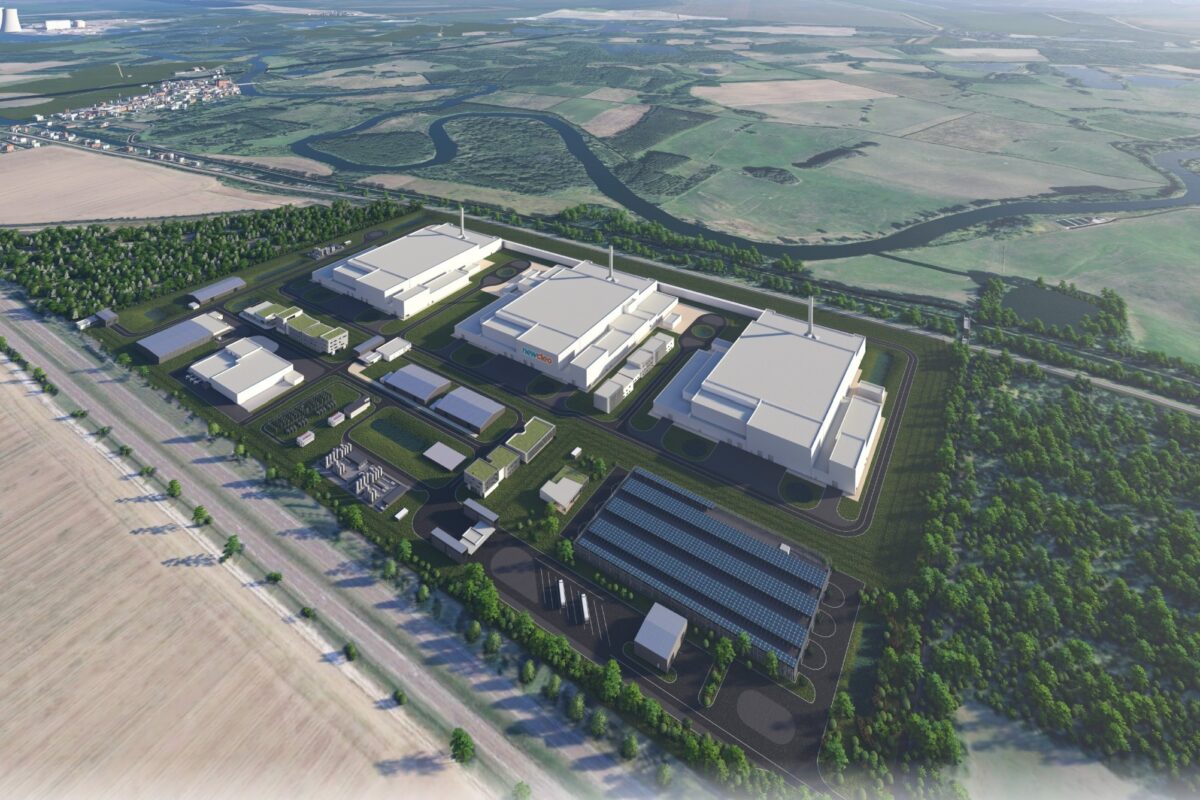
Citizens are once again being invited to take part in public consultation on nuclear energy in France. The public debate dedicated to Newcleo’s projects, an innovative reactor and an associated fuel fabrication facility, opened on 2 April, with a first exchange session on 7 April, and will continue until 30 July 2026, under the auspices of the National Commission for Public Debate (CNDP).
After the public discussions on the EPR2 programme, a new nuclear project is now entering the public debate phase. This time, however, the situation is significantly different: these are not large pressurised water reactors. Citizens will be asked to give their views on an advanced nuclear reactor project and a fuel plant led by the private company Newcleo.
Newcleo, founded by Stefano Buono, is one of the project developers that emerged through the “Innovative Nuclear Reactors” call for projects under the France 2030 investment plan. The project submitted for debate includes two components. First, the LFR-AS-30, a lead-cooled fast neutron reactor that would be built in Indre-et-Loire. Second, a MOX-LFR fuel fabrication plant, that is, MOX fuel for lead-cooled reactors, to be located in Aube. The details of these facilities are presented in the project owner’s file, available online.
Questions beyond the Newcleo project alone
Among the issues raised by this debate is notably the place of private actors within the nuclear sector. Indeed, the projects resulting from the France 2030 call for projects, while drawing on the expertise and the historical French industrial ecosystem, will be developed and operated by a new type of actor. Consequently, this also raises questions about the ways nuclear innovation is financed and the contribution that private capital can make.
Another central question concerns the use of nuclear materials, in particular plutonium, which lies at the core of many projects. Newcleo’s stated objective is twofold: to reduce the quantity of waste and to limit the use of natural uranium. According to the company, this approach is part of a contribution to closing the fuel cycle.
An educational effort aimed at the general public
The Special Commission for the Public Debate (CPDP) wanted to rely on accessible formats. In particular, it called on the science popularisation YouTuber Monsieur Bidouille to present the issues surrounding the project.
This public debate constitutes an opportunity for citizens to inform themselves, ask questions and express their views in order to contribute to shaping the direction of the project. You can take part in the debate until 30 July 2026. The full schedule, with the many topics to be discussed, can be found here. ■